|
Live Virtual Webinar
Can You Prove It?
Bill C-35, Canada's New Forced Labour Import Rules, and What the October 8 Government Report Signals for Importers
Bill C-35 would shift the burden of proof to importers. If your goods appear on a new federal list, you may need to show the CBSA, on request, that they were not made with forced labour. Learn what is changing and how to get your supply chain evidence ready before the regulations land.
|
| DATE & TIME: Friday, November 20, 2026 - 12:00 PM to 1:00 PM MST |
| FORMAT: Live on Zoom (60 minutes, including 15 minutes of Q&A) |
| PRESENTER: Frank McShane, PhD, Shift Critical International |
|
The Burden of Proof Is Shifting
Canada has prohibited imports made with forced labour since 2020, but enforcement has been limited. Bill C-35, tabled in Parliament on June 12, 2026, would replace that ban with a standalone regime: a published list of goods suspected of being produced with forced labour, enhanced supply chain tracing for listed goods, and expanded CBSA powers to detain shipments.
On October 8, 2026, the federal government released its What We Heard report on the regulatory approach under Bill C-35. Drawing on 129 consultation participants and 73 written submissions, it is the clearest signal yet of how listings, importer documentation, review rights and timelines are likely to be designed.
This session translates the bill and the report into practical terms for supply chain, procurement and leadership teams: what is changing, who is exposed, and what to put in place now. This is not legal advice. It is about readiness, risk and better sourcing decisions.
|
|
129
stakeholders informed the October 8 What We Heard report
|
|
|
90
days the CBSA could detain goods under Bill C-35
|
|
|
30
days to seek judicial review of a CBSA decision
|
|
|
60
minutes of focused, practical insight
|
|
|
|
Four Ways Bill C-35 Changes the Rules
Bill C-35 is a major departure from Canada's current Customs Tariff ban. Four changes matter most for importers and their trading partners.
|
A Federal List of Suspect Goods
The Minister of Foreign Affairs could list goods suspected of being produced wholly or in part with forced labour, identified by producer, country or region, or both.
|
| |
|
The Burden of Proof Moves to Importers
Importers of listed goods would need to provide prescribed supply chain information to the CBSA showing the goods are not linked to forced labour. Without it, the import is deemed prohibited.
|
| |
|
Expanded CBSA Detention Powers
Officers could assess any shipment, listed or not, and detain goods for up to 90 days. Importers and owners would share detention, storage and disposal costs.
|
| |
|
Limited Review (The Sharpest Change)
CBSA decisions would bypass the usual Customs Act review process and go straight to judicial review in Federal Court, with a 30-day window to file.
|
|
What You Will Learn
| • |
What Bill C-35 would change compared with Canada's current import ban and the Supply Chains Act reporting regime, and where the bill stands in Parliament today |
| • |
Key takeaways from the October 8, 2026 What We Heard report, including stakeholder views on listing evidence, producer versus regional listings, delisting and remediation |
| • |
What supply chain information importers of listed goods may be asked to provide, and why stakeholders pushed for alignment with U.S. and EU requirements |
| • |
How CBSA detentions, the 90-day hold period and the 30-day judicial review window could affect inventory, contracts, cash flow and project schedules |
| • |
Practical steps to start now: supplier mapping, risk-based traceability, contract clauses, and avoiding cut-and-run responses that move risk rather than remove it |
|
|
Spotlight Discussion
What the October 8 Report Tells Us
Stakeholders from industry, civil society, labour, legal and academic communities broadly supported a stronger ban, but called for a risk-based, transparent and predictable approach, with clear guidance, recourse for importers, and alignment with the United States and the European Union.
Key questions remain open: how broad listings should be, what documentation importers can realistically obtain beyond direct suppliers, how small and medium-sized businesses will be supported, and whether separate due diligence and civil liability legislation will follow.
The regulations are still being written. Organizations that map their supply chains now will be ready when they land.
|
|
Session Agenda
| Topic |
Time |
| Welcome and Introduction |
5 min |
| Why Forced Labour Is Now a Trade and Supply Chain Risk |
5 min |
| Bill C-35 Explained: The List, the Burden of Proof and CBSA Powers |
10 min |
| Inside the October 8 What We Heard Report |
8 min |
| What Importers May Need to Provide: Tracing and Documentation |
7 min |
| Downstream Impacts for Distributors, Retailers and Projects |
5 min |
| Readiness Roadmap: Steps to Take Now |
5 min |
| Live Q&A With Frank McShane |
15 min |
|
Leave With a Readiness Checklist
You will walk away with practical questions to ask before your next import or supplier renewal, including:
|
|
Do we know where our goods, and their key inputs, are actually produced? |
|
|
Could we produce supply chain tracing evidence for the CBSA on short notice? |
|
|
Who carries the risk, and the detention costs, if a shipment is held at the border? |
Plus more to help you prepare before the regulations take effect, not after a shipment is detained.
|
Who Should Attend
Anyone whose decisions shape what gets imported, from whom, and with what evidence:
| • |
Procurement, sourcing and category management professionals |
| • |
Importers, customs, trade compliance and logistics teams |
| • |
Supply chain risk, ESG and responsible sourcing professionals |
| • |
Distributors, retailers and anyone buying imported goods for resale |
| • |
Directors and senior leaders accountable for supplier strategy and compliance |
|
Your Presenter
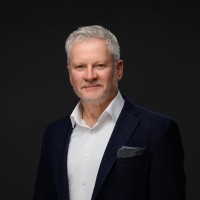 |
Frank McShane
PhD
Principal and Founder, Shift Critical International
|
Frank brings more than 20 years of experience with major resource companies in oil and gas and mining. His work focuses on regulatory compliance, governance, sustainability risk, supply chain due diligence, human rights and forced labour risk, helping organizations build frameworks and strategies that hold up to regulatory scrutiny. He has taught sustainability-related topics at five universities and holds a PhD from McGill University.
|
|
Registration Fees
|
Current Supply Chain Canada members
|
| |
|
Open to all professionals
|
| |
|
Current Supply Chain Canada Student Affiliates
|
Prices in CAD, plus applicable taxes. Zoom access details are sent in your confirmation email.
|
Questions or Need Assistance?
LinkedIn | Facebook | Instagram
Supply Chain Canada West
Professionals Advancing the Future
|